
Explore Our Services
What Services Do We Offer?
We offer a range of services to meet the needs of every client. Click each tab below to learn more!
-
Moral Reconation Therapy (MRT)
At Hawthorn Heights, our MRT program helps youth understand how their choices, values, and thinking patterns affect their behavior. MRT is a structured, step-by-step program that focuses on building responsibility, better decision-making, and stronger relationships.
Our program is designed specifically for youth and consists of 12 steps. In each step, your child will participate in group discussions, written exercises, and guided self-reflection. They’ll explore past choices, learn to recognize unhelpful thinking patterns, and practice strategies for making better decisions in the future—all in a safe and supportive environment.
MRT at Hawthorn Heights is also tied to our behavioral point system, so participation is required to earn certain privileges. This connection helps reinforce accountability and personal growth while giving youth practical ways to apply what they’re learning every day. By completing the program, youth develop important life skills, improve relationships, and gain the tools they need to successfully navigate challenges both now and as they move into adulthood.
-
Substance Use Education Group
Residents participate in a weekly SUPE Group led by HIGHTS staff. This group is designed to provide youth with accurate information, promote healthy decision-making, and support overall well-being.
Top 3 Benefits of Substance Use Education for Youth
Builds Understanding of Brain Development
Helps youth understand substance use and its impact on the developing teenage brain, including how drugs and alcohol can affect decision-making, impulse control, and long-term development.Promotes Informed Awareness
Encourages youth to engage in psychoeducation about specific substances and their physical, emotional, and social effects, allowing them to better understand risks and consequences.Supports Harm-Reduction and Safety
Provides harm-reduction-focused drug education that discourages substance use while also equipping young people with accurate information and practical safety strategies for themselves and their peers if they encounter drugs or alcohol.
-
Behavioral Point System
Our program uses a structured Behavioral Point System designed to promote accountability, responsibility, and positive decision-making while reinforcing healthy behaviors.
Residents move through a Level A–D system that reflects their growth over time, with each level offering increasing privileges and responsibilities. Residents advance through the levels by demonstrating consistent positive behavior, participating in programming, and meeting clearly defined program expectations.
Residents can earn points daily through:
Following program rules and routines
Demonstrating respectful, safe, and cooperative behavior
Participation in groups, school, and therapeutic activities
Youth also have opportunities to earn bonus points by:
Completing additional chores
Demonstrating leadership
Going above and beyond program expectations
Each week, residents are expected to meet a total point goal. When this goal is achieved, youth are rewarded with weekend incentives, which may include off-campus activities and extended visits with friends or family when appropriate.
-
Individual Therapy
We believe participation in individual therapy is a valuable and important component of treatment. Residents are given the option to continue working with a previously established therapist, when available and clinically appropriate. If a youth is not already engaged with a therapist, individual therapy is offered weekly, in person, by a licensed HIGHTS therapist. Residents may also choose to receive individual therapy services through another community-based provider of their choice.
Hawthorn Heights staff work collaboratively with therapists, parent(s)/guardian(s), and other treatment team members to ensure the highest quality of care and discharge planning. Our on-site HIGHTS therapist regularly reviews each resident’s goals with their case coordinator and works directly with the youth to support progress toward those goals.
-
Case Coordination and Level Work
Each resident is assigned to a specific staff member who serves as their individual Case Coordinator. While our entire team provides care, the Case Coordinator works to develop a one-on-one relationship with the resident, focusing on their physical, emotional, and behavioral needs. The Case Coordinator coordinates medical care, therapy services, education planning, medication management, and other necessary supports, while maintaining ongoing communication with families and service providers. They also advocate for the resident during monthly Child and Family Team meetings to ensure the youth’s voice and needs are represented.
The Case Coordinator also develops weekly Level Work assignments tailored to the resident’s individual goals and current needs. Level Work reflects the client’s written goals upon entering the program, as well as their week-to-week needs as they navigate school, peer relationships, and personal challenges. These assignments typically require about one hour per week to complete and are evaluated by staff. Level Work connects directly to the Behavioral Point System and helps determine earned privileges.
-
Child Family Team Meetings
Child and Family Team (CFT) meetings are held at least monthly for each resident and are tailored to the youth’s unique circumstances. These meetings bring together the resident and their support team to review goals, assess progress in the program and at school, plan for discharge, and address questions, concerns, and physical, medical, or emotional needs.
Whenever possible, the resident’s Case Coordinator participates in these meetings and provides updates on the youth’s progress. The Case Coordinator also serves as an advocate by helping the resident prepare to participate, encouraging them to share their thoughts, use self-regulation techniques, and take breaks if needed. After each meeting, the Case Coordinator follows up with the youth to process the discussion and identify next steps that can be incorporated into Level Work or therapy.
CFT meeting participants may include:
The resident
Case Coordinator
Family members
Individual therapist
Department of Social Services caseworker (when applicable)
Juvenile Court Counselor (when applicable)
Guardian Ad Litem (when applicable)
-
Life Skills Group
We are thrilled to announce a new program coming to Hawthorn Heights! We have recently been working to create a hands-on life skills class in addition to our cooking class. This group will be held weekly and led by our dedicated Youth Care Workers.
These skills include, but are not limited to, learning how to write emails, budgeting, reading nutrition labels, accepting criticism in both work environments and personal lives, personal hygiene, time management and task delegation, communication skills, and much more.
We are very excited to update our followers on Facebook, Instagram, and our newsletter with photos and client reviews of this new group!
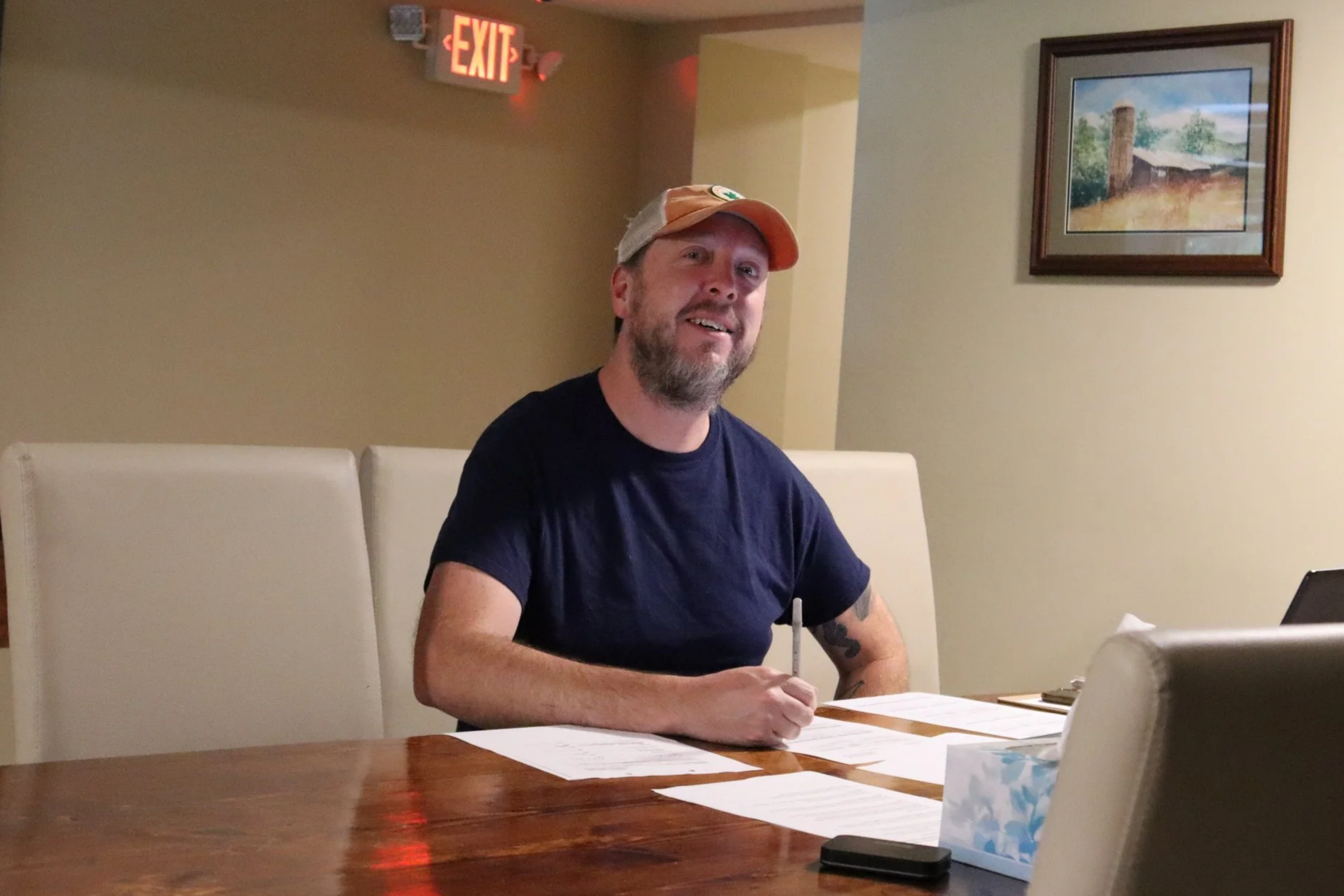
Our licensed Moral Reconation Therapy (MRT) Facilitators
Jason Beck
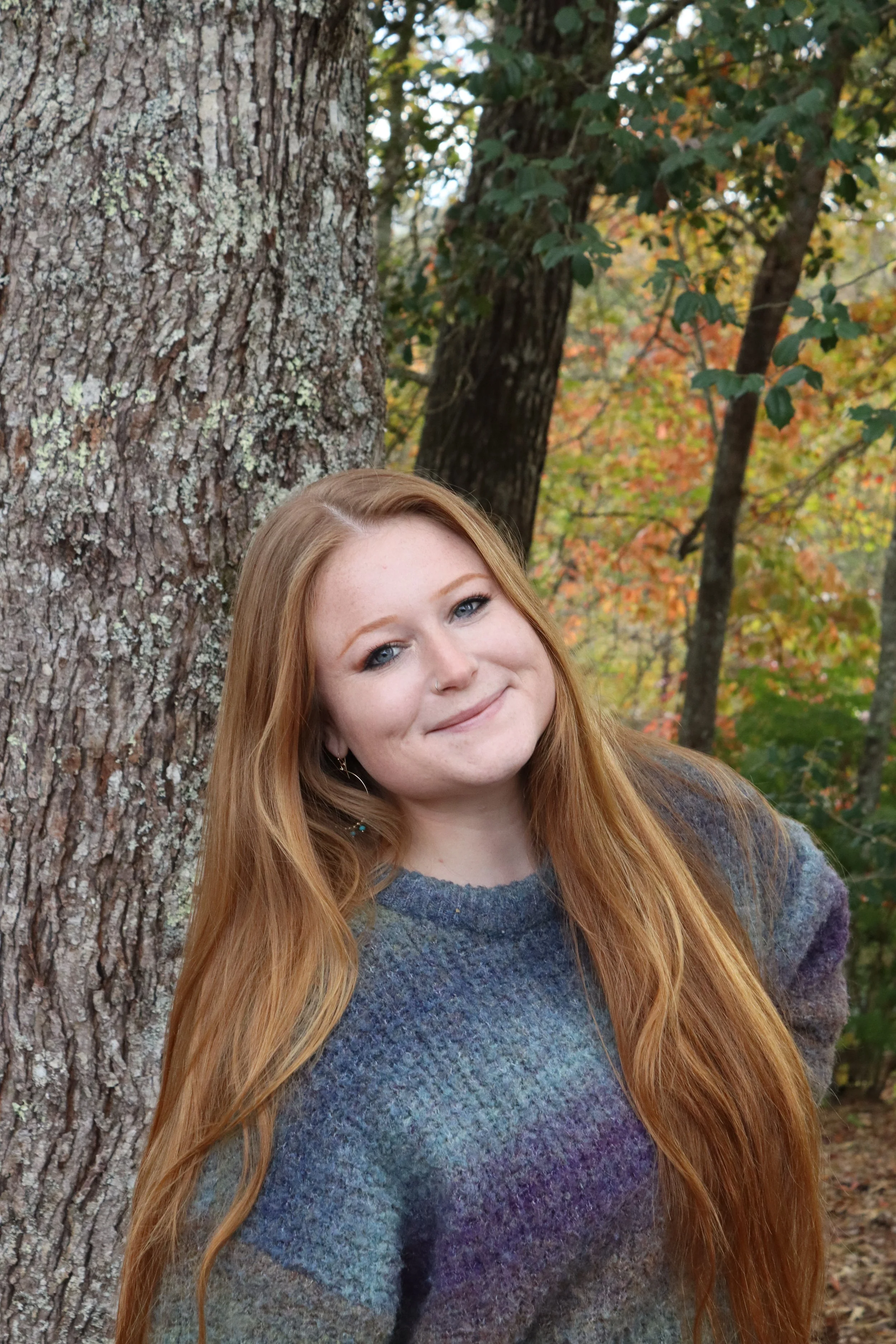
Sarah Loafman
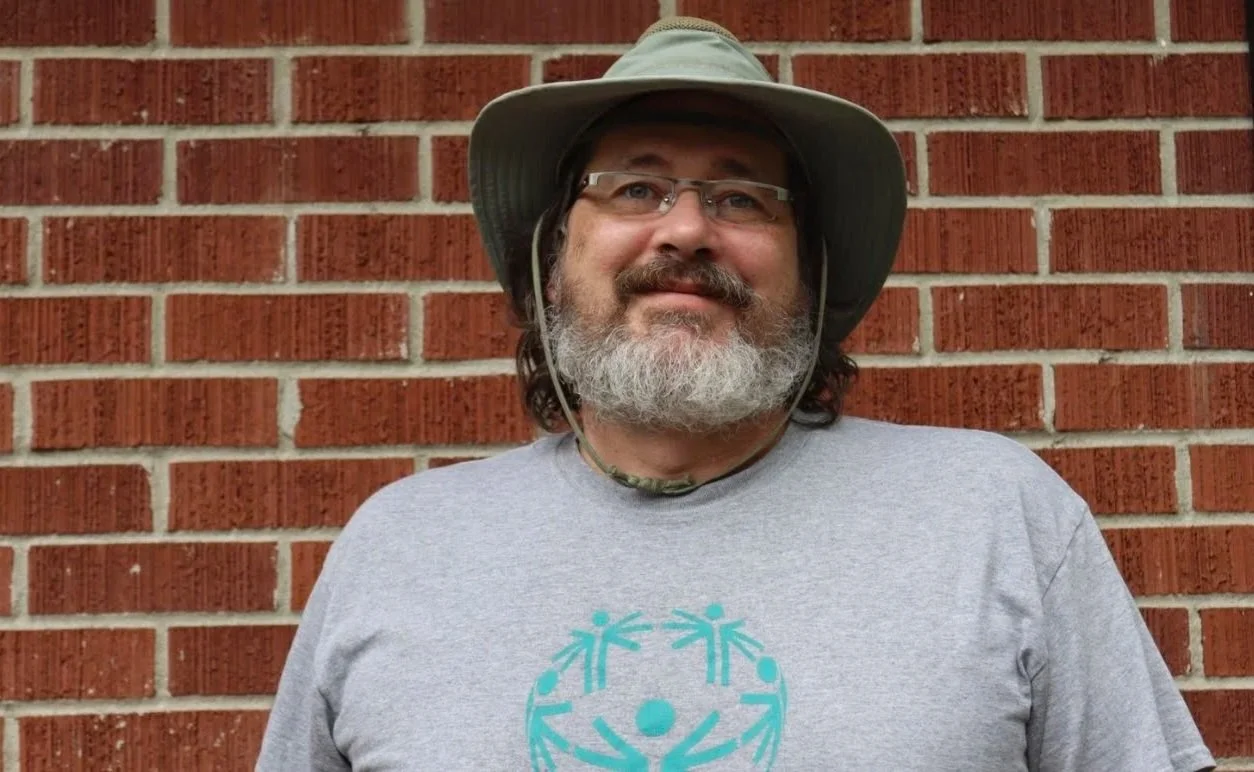
James “Rusty” Morris